Solutions
Bringing solutions to around 800 million people living without electricity in the world.
Green Energy Sources
Minimizing emissions that cause global warming and working on sustainable resources that make up 80% of green energy sources.
About Us
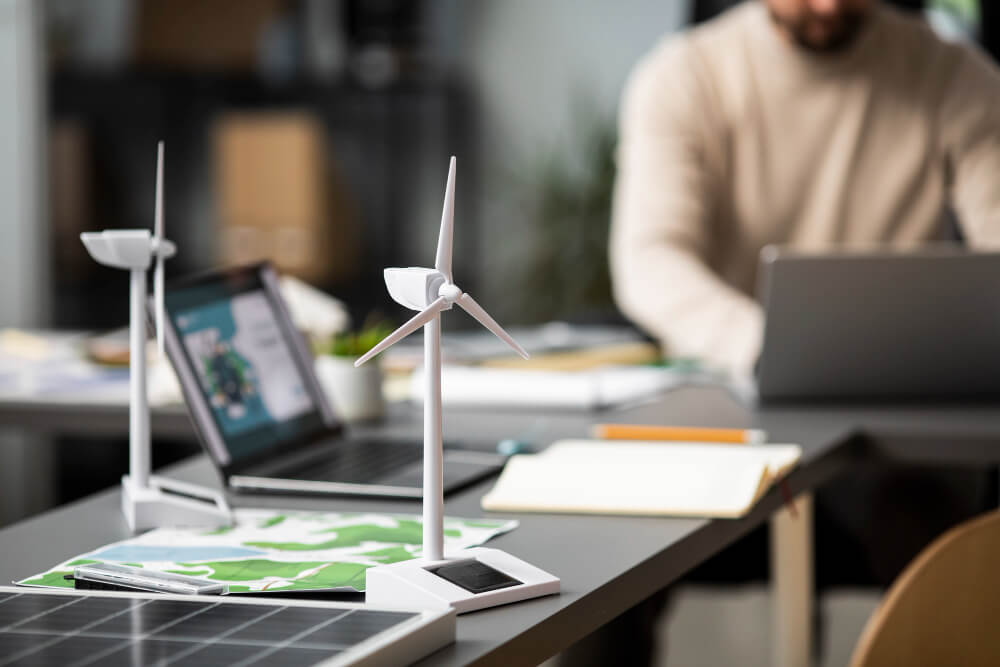
ENERFORM analysis is built upon a foundation of Energy Investments and focus below areas and international cooperation.
We work with a broad range of international organizations and forums to ensure secure, affordable and sustainable energy systems
Meeting with various groups on a regular basis, we gain precious insights on how policies shape real-world investments and actions.
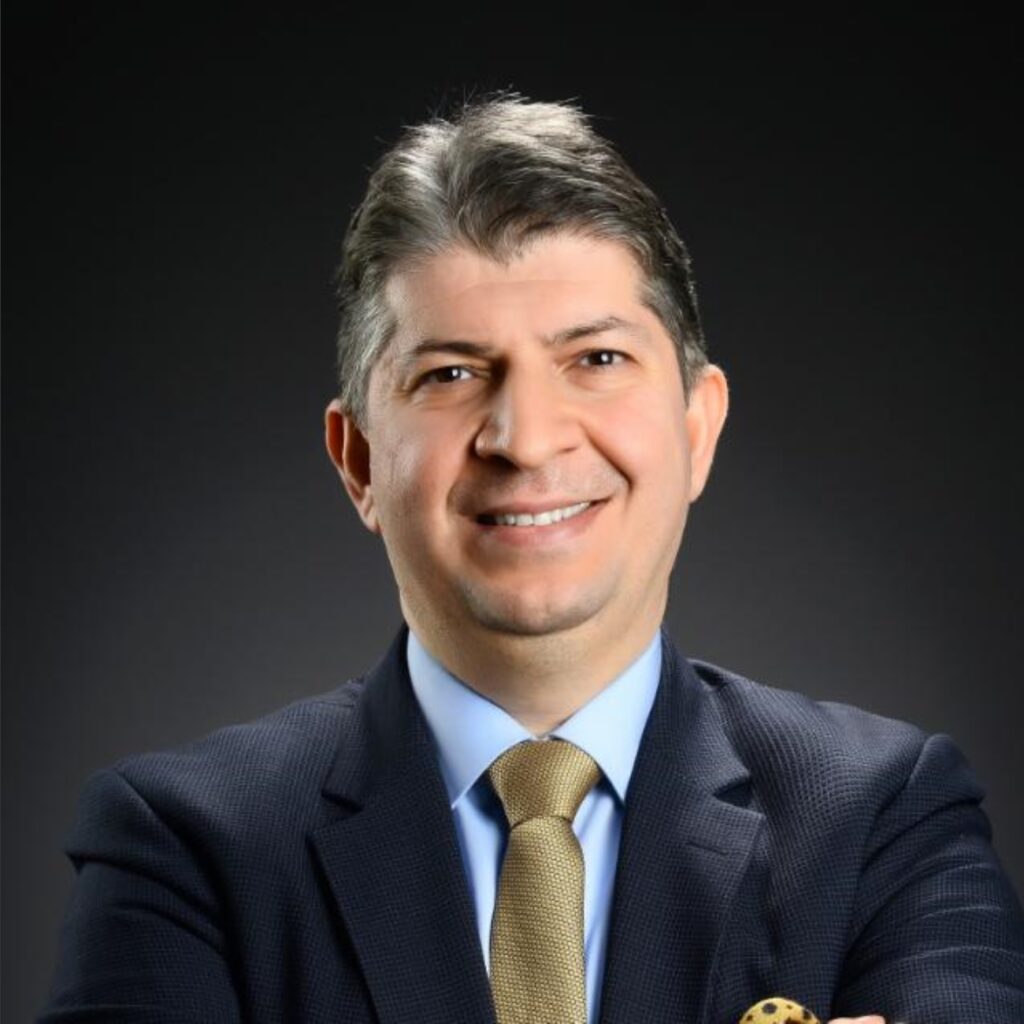
M. Ata CEYLAN
Chairman
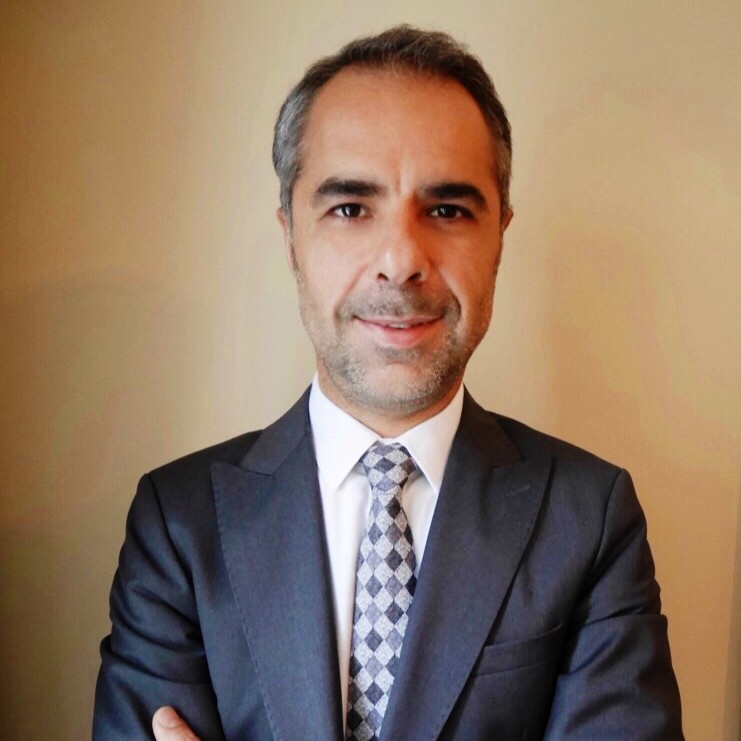
Ahmet K. CANAKCI
Vice Chairman
Eren SOYDAL
Vice Chairman
ENERFORM Members
Energy Security
The ENERFORM defines energy security as the uninterrupted availability of energy sources at an affordable price. Energy security has many aspects: long-term energy security mainly deals with timely investments to supply energy in line with economic developments and environmental needs. On the other hand, short-term energy security focuses on the ability of the energy system to react promptly to sudden changes in the supply-demand balance.
ENERFORM member countries use very different energy mixes to meet their needs. Most countries still have a substantial share of oil in their energy mixes. As oil is expected to remain a major component of global energy demand for the time being, particularly in the transportation sector, maintaining the ENERFORM will continue to remain essential to ensure security of supply.
International Collaborations and Global Engagement
We work with a broad range of international organizations and forums to ensure secure, affordable and sustainable energy systems. Our common goal is to open a way of communication to government officials that we can lobby and to develop reliable and clean energy projects for the world. Our aim is to encourage the development of current energy policies, to provide an information channel that goes both ways, to encourage international cooperation and to help adopt new technologies and energy policies.
ENERFORM aims to support the efforts of international and national players in the market in connection with government officials, the industry and other stakeholders in order to develop the energy market
ENERFORM member countries use very different energy mixes to meet their needs. Most countries still have a substantial share of oil in their energy mixes. As oil is expected to remain a major component of global energy demand for the time being, particularly in the transportation sector, maintaining the ENERFORM will continue to remain essential to ensure security of supply.
International Collaborations and Global Engagement
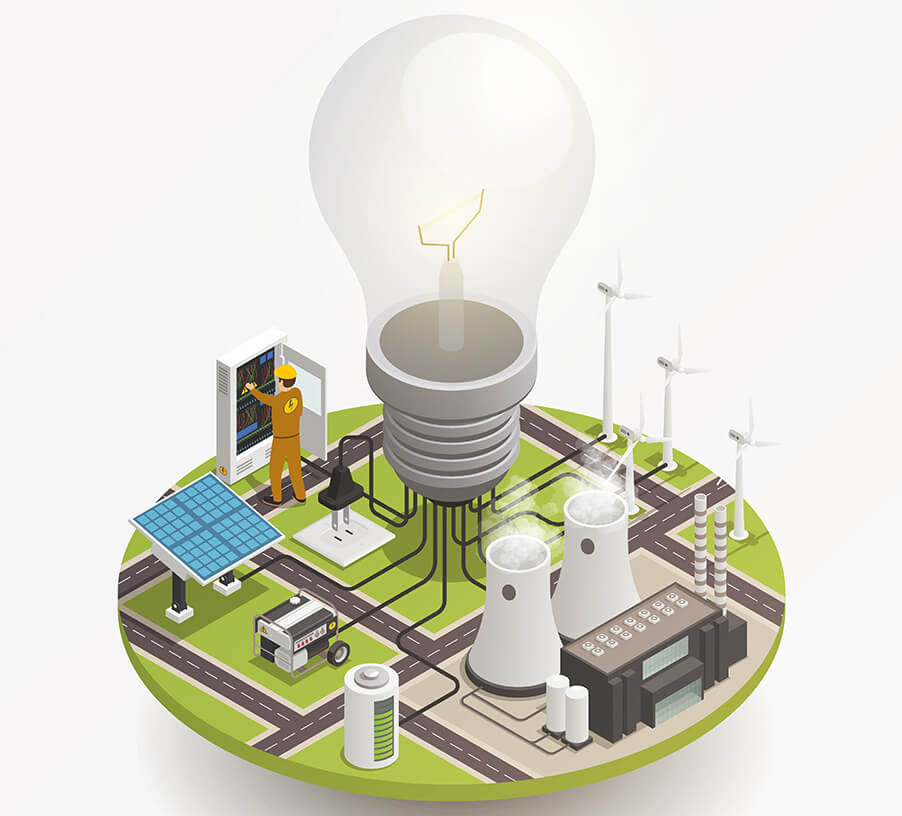
Electricity is a crucial for poverty alleviation, economic growth and improved living standards
Measuring the share of people with electricity access is therefore an important social and economic indicator. There is no universally-adopted definition of what ‘access to electricity’ means. However, most definitions are aligned to the delivery of electricity, safe cooking facilities and a required minimum level of consumption. The International Energy Agency (IEA) definition entails more than just the delivery to the household. It also requires households to meet a specified minimum level of electricity, which is set based on whether the household is rural or urban, and which increases with time. For rural households, this minimum threshold is 250 kilowatt-hours (kWh) per year and for an urban household it is 500 kWh per year.
At a global level, the percentage of people with access to electricity has steadily increased over the last few decades. In 1990, around 71% of the world’s population had access; this has increased to 87% in 2016.
This means 13% of the world did not have access to electricity in 2016.
High-income countries – or countries defined by the UN to be ‘developed’ are assumed to have an electrification rate of 100% from the first year the country entered that category. Therefore, the increasing global share has primarily been driven by increased access in low and middle-income economies. In many countries, this trend has been striking: access in India, for example, increased from 43 percent to almost 85 percent. Indonesia is close to total electrification (sitting at almost 98 percent) – up from 62 percent in 1990. For countries with strong population growth, such improvements in the share of the population with access is even more impressive.
- In 2016, 942 million people globally did not have access to electricity.
- 40% of the world’s population does not have access to clean fuels for cooking. This comes at a high health cost for indoor air pollution.
- Per capita electricity consumption varies more than 100-fold across the world.
- Per capita energy consumption varies more than 10-fold across the world. ( Access to Energy- Hannah Ritchie and Max Roser,2019)
On the other hand, Driven by higher energy demand in 2018, global energy-related CO2 emissions rose 1.7% to a historic high of 33.1 Gt CO2. While emissions from all fossil fuels increased, the power sector accounted for nearly two-thirds of emissions growth. Coal use in power alone surpassed 10 Gt CO2, mostly in Asia. China, India, and the United States accounted for 85% of the net increase in emissions, while emissions declined for Germany, Japan, Mexico, France and the United Kingdom. Global Energy and CO2 Status Report 2019 (IEA)
Our Working Group
1. Legislation Working Group
2. International Technologies Group
3. International Finance Working Group

The decisions taken at the regular group meetings are shared with the stakeholders. If necessary, official visits are made to authorized public institutions and organizations to share their views and suggestions on developments in the Energy investments market and reports prepared by working groups are presented. In addition, many events bringing together the representatives of the public and private sectors, especially the organizations of “Energy Investments Consultation Meetings” are organized, and an intense communication strategy is followed by all media organs, especially energy media.
Our Strategic Goals
- To be a global Cooperation Point with the value chain.
- Providing Energy Partnership that will be referenced on an international scale, in an understanding of cooperation with all stakeholders.
National and International Energy Organizations
Energy Organizations
- Alliance to Save Energy
- American Council for an Energy - Efficient Economy
- Association of Issuing Bodies
- Council of European Energy Regulators
- Energy and Minerals Business Council
- Energy Charter Treaty
- Energy Community
- Energy Regulators Regional Association
- Energy Watch Group
- Eurelectric
- European Federations of Energy Traders
- European Network of Transmission System Operators for Electricity
- European Network of Transmission System Operators for Gas
- Gas Exporting Countries Forum
- INOGATE
- Interamerican Association for Environmental Defense
- International Association of Oil & Gas Producers
- International Energy Agency Energy in Buildings and Communities Programme
Contact
- Address: Barbaros Mah. Halk Cad. Palladium Residence A Blok- No:8 A/3 Ataşehir/İstanbul
- Phone: (+90) 216 663 61 04